

- Be Bald And Be Free Day
- National Dessert Day
- Face Yor Fears Day
- Ada Lovelace Day
- National Chocolate Covered Insect Day
- national lower case day
- Founders Day-Democratic Republic of Congo
- Petkouden-Bulgaria
- Nyerere Day-Tanzania
- On This Day
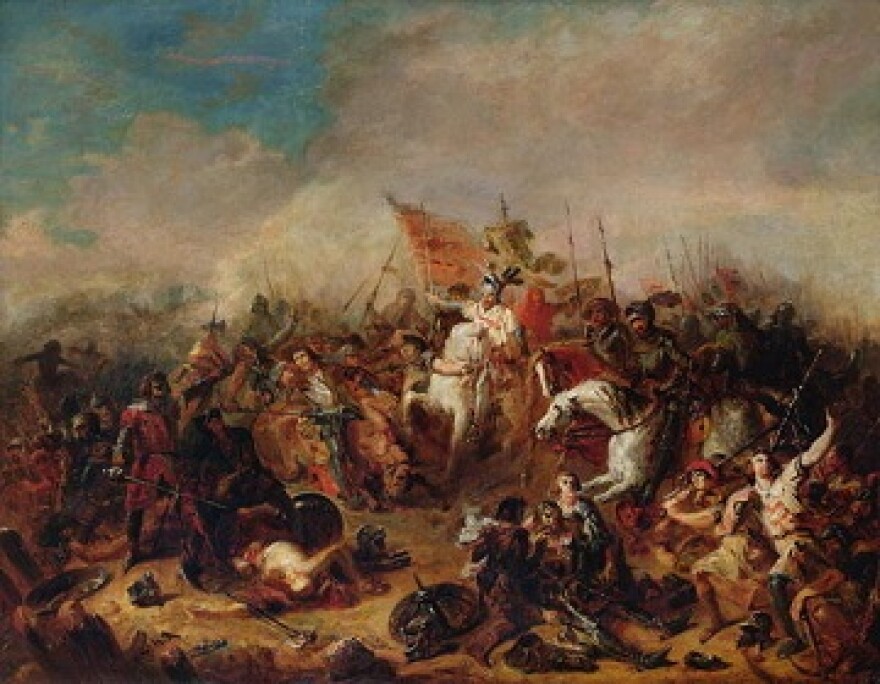
- 1066 --- King Harold II of England is defeated by the Norman forces of William the Conqueror at the Battle of Hastings, fought on Senlac Hill, seven miles from Hastings, England. At the end of the bloody, all-day battle, Harold was killed--shot in the eye with an arrow, according to legend--and his forces were destroyed. He was the last Anglo-Saxon king of England.
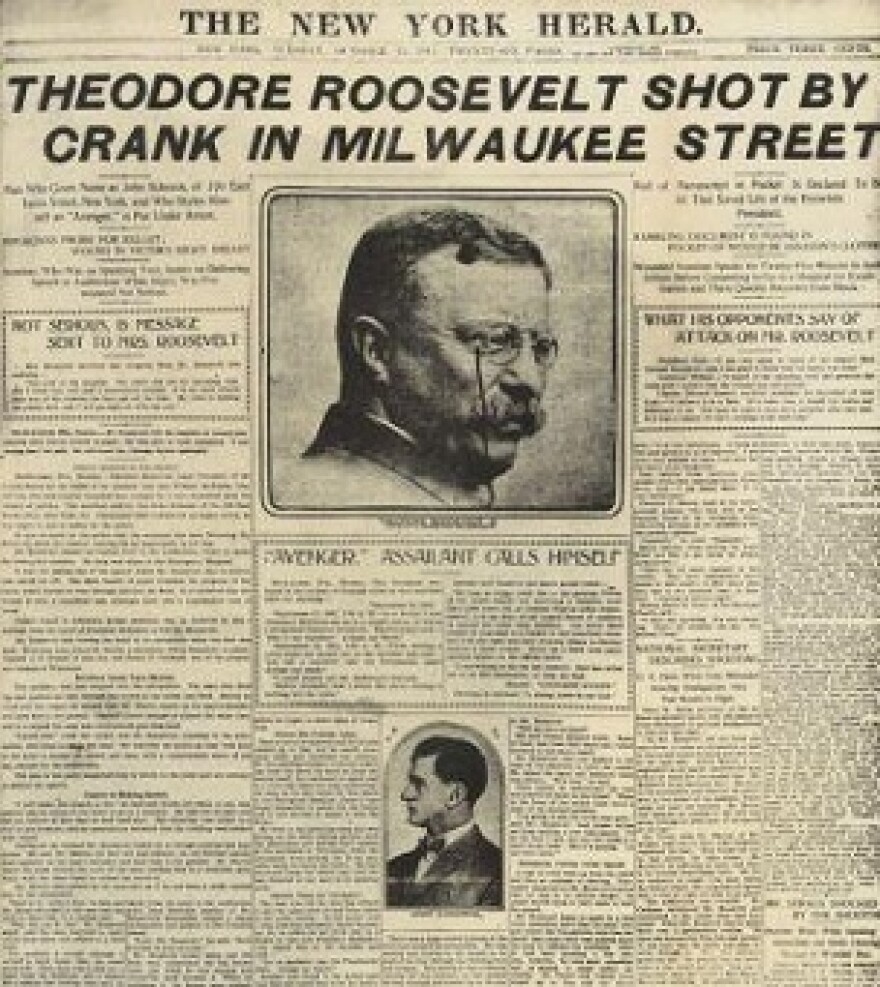
- 1912 --- Before a campaign speech in Milwaukee, Wisconsin, Theodore Roosevelt, the presidential candidate for the Progressive Party, is shot at close range by saloonkeeper John Schrank while greeting the public in front of the Gilpatrick Hotel. Schrank's .32-caliber bullet, aimed directly at Roosevelt's heart, failed to mortally wound the former president because its force was slowed by a glasses case and a bundle of manuscript in the breast pocket of Roosevelt's heavy coat--a manuscript containing Roosevelt's evening speech. Schrank was immediately detained and reportedly offered as his motive that "any man looking for a third term ought to be shot." Roosevelt, who suffered only a flesh wound from the attack, went on to deliver his scheduled speech with the bullet still in his body. After a few words, the former "Rough Rider" pulled the torn and bloodstained manuscript from his breast pocket and declared, "You see, it takes more than one bullet to kill a Bull Moose." He spoke for nearly an hour and then was rushed to the hospital.


- 1913 --- 439 workers die in a massive coal-mine explosion in Wales. The incident was one of Britain's worst-ever mining disasters. The Sengenhydd colliery (coal mine) was located about eight miles from Cardiff in Wales. The mine consisted of two pits, side by side, which held nearly 1,000 miners in total. When the 6 a.m. shift began 935 workers descended into the mine. At 8:12 a.m., a tremendous explosion ripped through one of the pits. Dust and debris were sent hundreds of feet into the air and bright red and orange flames went nearly as high.


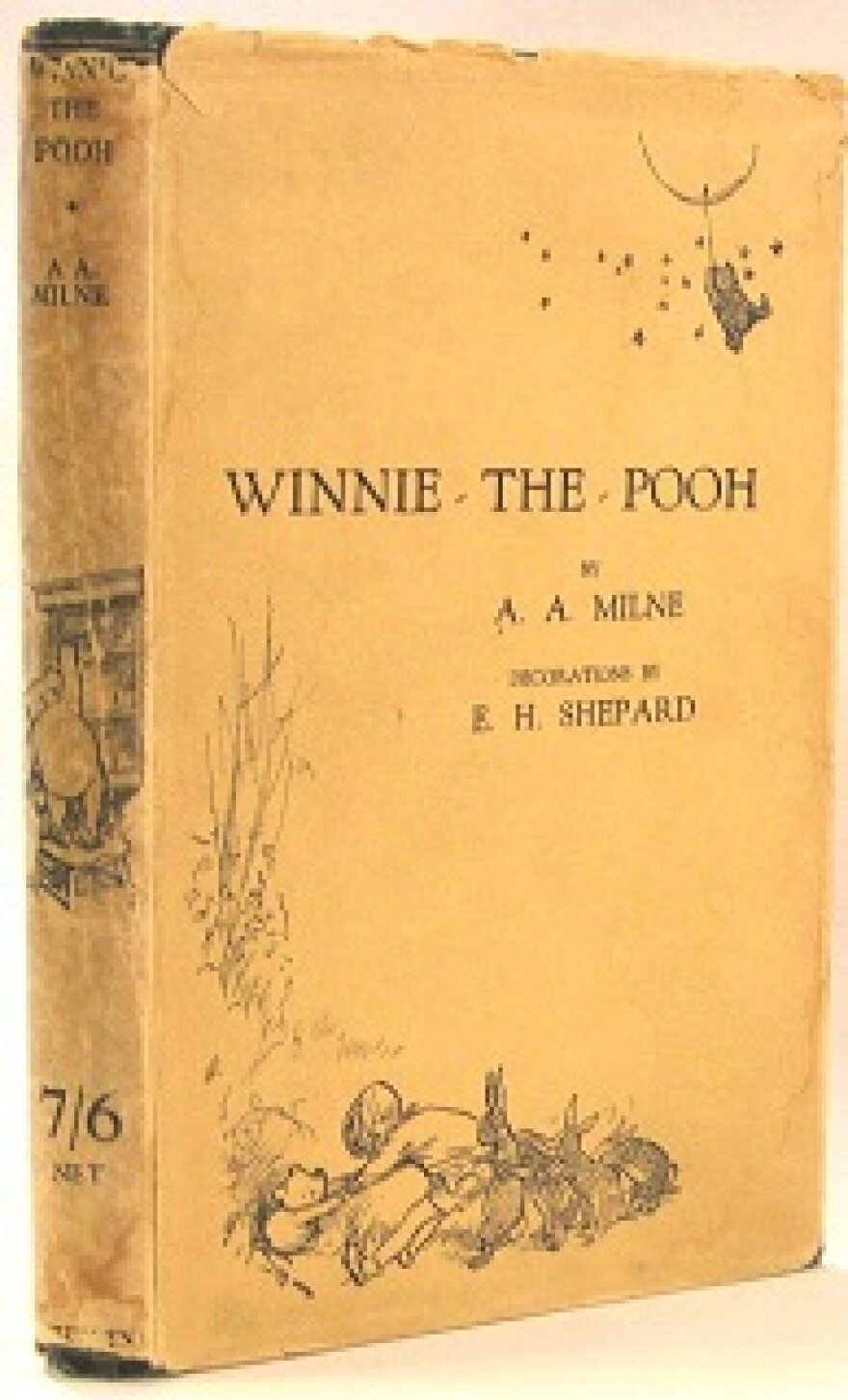
- 1926 --- The book "Winnie-the-Pooh," by A.A. Milne, made its debut. Alan Alexander Milne wrote this and other delightful Winnie-the-Pooh stories, centering the tales around his little son, Christopher Robin, and Christopher’s stuffed animals, like the honey-loving Pooh Bear, Eeyore (the donkey), Piglet and Tigger, too. The other A.A. Milne Pooh books were The House at Pooh Corner, When We were Very Young and Now We are Six.

- 1944 --- German Field Marshal Erwin Rommel committed suicide rather than face execution after being accused of conspiring against Adolf Hitler and the execution that would follow.
- 1947 --- U.S. Air Force Captain Charles Yeager rode the X-1, attached to the belly of a B-29 bomber, to an altitude of 25,000 ft. over dry Rogers Lake in California. After releasing from the B-29, he rocketed to an altitude of 40,000 ft. and became the first person to break the sound barrier.
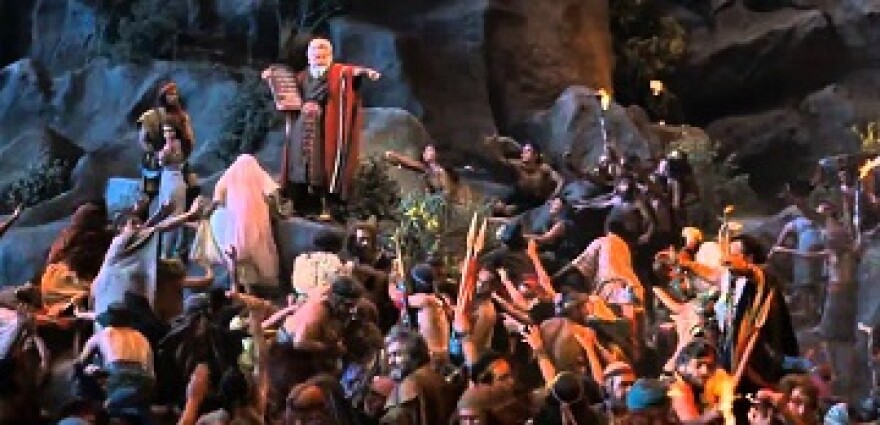
- 1954 --- C.B. DeMille's "The Ten Commandments", starring Charlton Heston, began filming in Egypt. The epic had a cast of 25,000 people.
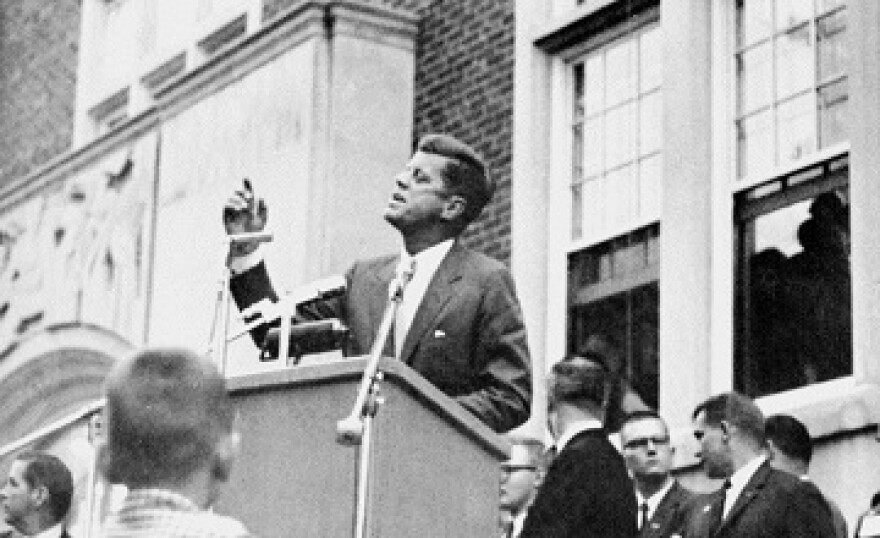
- 1960 --- Democratic presidential candidate John F. Kennedy suggested formation of a Peace Corps during a talk at the University of Michigan.
- 1962 --- The Cuban Missile Crisis begins, bringing the United States and the Soviet Union to the brink of nuclear conflict. Photographs taken by a high-altitude U-2 spy plane offered incontrovertible evidence that Soviet-made medium-range missiles in Cuba—capable of carrying nuclear warheads—were now stationed 90 miles off the American coastline. Tensions between the United States and the Soviet Union over Cuba had been steadily increasing since the failed April 1961 Bay of Pig invasion, in which Cuban refugees, armed and trained by the United States, landed in Cuba and attempted to overthrow the government of Fidel Castro. Though the invasion did not succeed, Castro was convinced that the United States would try again, and set out to get more military assistance from the Soviet Union. During the next year, the number of Soviet advisors in Cuba rose to more than 20,000. Rumors began that Russia was also moving missiles and strategic bombers onto the island. Russian leader Nikita Khrushchev may have decided to so dramatically up the stakes in the Cold War for several reasons. He may have believed that the United States was indeed going to invade Cuba and provided the weapons as a deterrent. Facing criticism at home from more hard-line members of the Soviet communist hierarchy, he may have thought a tough stand might win him support. Khrushchev also had always resented that U.S. nuclear missiles were stationed near the Soviet Union (in Turkey, for example), and putting missiles in Cuba might have been his way of
 redressing the imbalance. Two days after the pictures were taken, after being developed and analyzed by intelligence officers, they were presented to President Kennedy. During the next two weeks, the United States and the Soviet Union would come as close to nuclear war as they ever had, and a fearful world awaited the outcome.


- 1964 --- Dr. Martin Luther King, Jr., is awarded the Nobel Peace Prize for his nonviolent resistance to racial prejudice in America. At 35 years of age, the Georgia-born minister was the youngest person ever to receive the award.

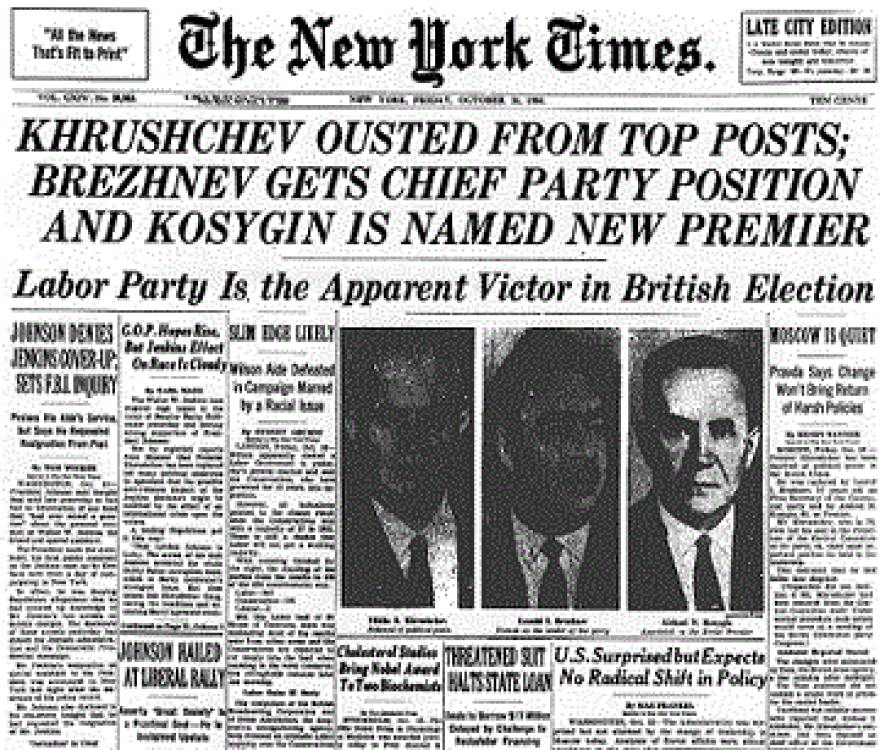
- 1964 --- Nikita Khrushchev is ousted as both premier of the Soviet Union and chief of the Communist Party after 10 years in power. He was succeeded as head of the Communist Party by his former protégé Leonid Brezhnev, who would eventually become the chief of state as well.
- 1965 --- Dodger ace Sandy Koufax, working on just two day’s rest, pitched a three-hit shutout of the Minnesota Twins. Koufax struck out ten Twins on his way to the 2-0 win. And the Dodgers were World Series champs for the second time in three years.

- 1966 --- A hailstone 16 inches in diameter crashed through a truck windshield in Dodge County, Minnesota.


- 1966 --- Grace Slick made her first appearance with Jefferson Airplane.
- 1968 --- The 1st live telecast to come from a manned U.S. spacecraft was transmitted from Apollo 7.

- 1971 --- John Lennon and Yoko Ono appeared on "The Dick Cavett Show" on ABC to promote Lennon's new LP and film ("Imagine"), Yoko's book, two films and a fine arts show.

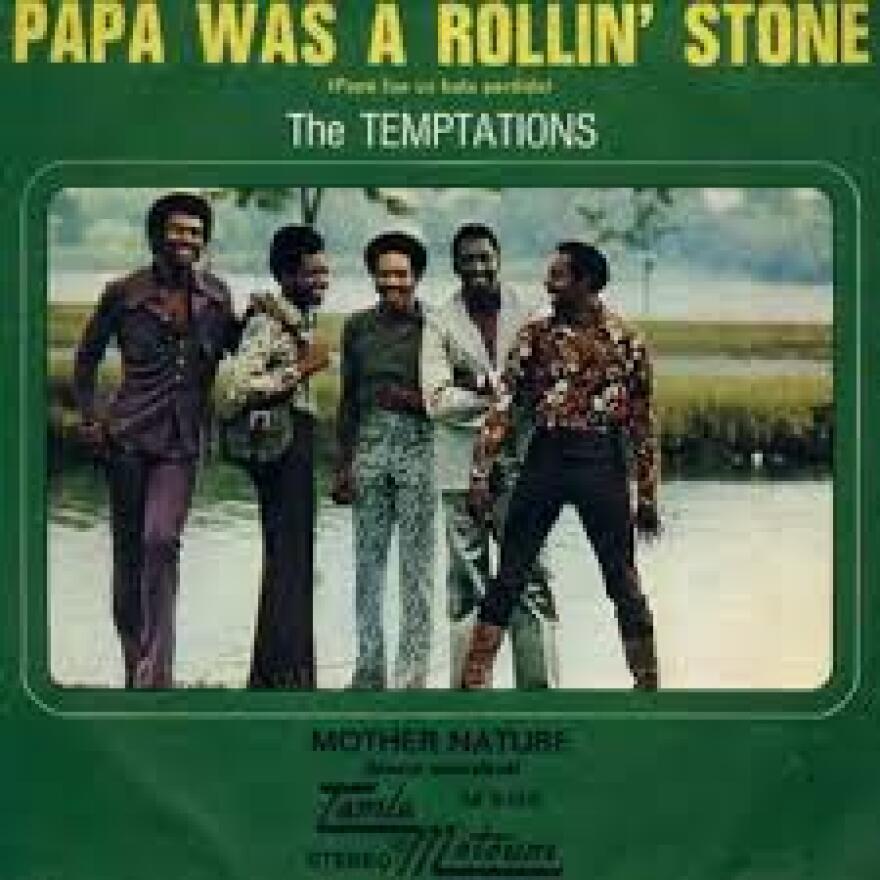
- 1972 --- "Papa Was A Rolling Stone" was released by the Temptations.
- 1984 --- George ‘Sparky’ Anderson’s Detroit Tigers walloped the Padres 8-4 in the Motor City and Anderson became the first baseball manager to win 100 games and a World Series in both leagues.


- 1986 --- Elie Wiesel was named winner of the Nobel Peace Prize.
- 1987 --- A media frenzy occurred when hundreds of rescuers came to the aid of little 18-month-old Jessica McClure. At 9:30 a.m. on this day, Jessica fell 22 feet into an abandoned well in her backyard in Midland, Texas. She was brought out of the well 58 hours later and was rushed to the hospital, where she underwent minor surgery.
- 1991 --- Daw Aung San Suu Kyi, leader of the nonviolent movement for human rights and democracy in Burma (Myanmar), won the Nobel Peace Prize. For six years, from 1989 to 1995, Aung San Suu Kyi was kept in isolation under house arrest for speaking out against the government, which used torture and forced labor, and refused to hand over power even though it lost a national election.

- 1994 --- Pulp Fiction, a crime drama featuring multiple storylines and a large ensemble cast including John Travolta, Uma Thurman, Samuel L. Jackson, Bruce Willis and Harvey Keitel, opens in theaters. Made for less than $10 million, Pulp Fiction earned more than $100 million at the box office and was also a huge critical hit, winning the Palme d’Or at the Cannes Film Festival and earning seven Academy Award nominations, including Best Picture.

- 2003 --- A Chicago Cubs fan named Steve Bartman plucks a fly ball out of the air before outfielder Moises Alou can catch it—a catch that would have been a crucial out—in the sixth game of the league championship series against the Florida Marlins. As a result of Bartman’s interference, the Cubs lost their momentum and the game. Making matters worse for Bartman, Florida won the next game—and the NLCS—9-6. The Sun-Times printed his name and his picture under the headline "Cursed." A Chicago alderman pointedly suggested that Bartman might consider moving to Alaska; Florida Governor Jeb Bush gleefully recommended that he consider moving south instead. It seemed clear, as one Marlins fan noted dryly, that "this guy is their new goat." Chicago has begun to forgive him, but it’s unlikely to ever forget. Meanwhile, the Cubs still haven’t won a pennant.



- Birthdays
- Natalie Maines
- Dwight D Eisenhower (34th President)
- John Wooden
- William Penn
- e. e. cummings
- Eamon de Valera
- Lillian Gish
- C Everett Koop
- Roger Moore
- Melba Montgomery
- Ralph Lauren
- 287th Day of 2014 / 78 Remaining
- Winter Begins in 68 Days
- Sunrise:7:17
- Sunset:6:32
- 11 Hours 15 Minutes
- Moon Rise:10:54pm
- Moon Set:1:19pm
- Moon Phase:60%
- Next Full Moon November 6 @ 2:22pm
- Full Beaver Moon
- Full Frosty Moon
This was the time to set beaver traps before the swamps froze, to ensure a supply of warm winter furs. Another interpretation suggests that the name Full Beaver Moon comes from the fact that the beavers are now actively preparing for winter. It is sometimes also referred to as the Frosty Moon.
- Tides:
- High Tide:4:58am/3:34pm
- Low Tide:10:07am/10:45