

- 29th Day of 2013 / 336 Remaining
- 50 Days Until The First Day of Spring
- Sunrise:7:15
- Sunset:5:30
- 10 Hours 15 Minutes of Daylight
- Moon Rise:5:56am
- Moon Set:4:36pm
- Moon’s Phase: 2 %
- The Next Full Moon
- February 14 @ 3:54 pm
- Full Snow Moon
- Full Hunger Moon
Since the heaviest snow usually falls during this month, native tribes of the north and east most often called February’s full Moon the Full Snow Moon. Some tribes also referred to this Moon as the Full Hunger Moon, since harsh weather conditions in their areas made hunting very difficult.
- Tides
- High:8:50am/10:34pm
- Low:2:46am/3:43pm
- Rainfall
- This Year:2.12
- Last Year:13.50
- Average Year to Date:13.32
- Holidays
- Admission Day (Kansas)
- Curmudgeon's Day
- Freethinker's Day
- National Seed Swap Day
- National Corn Chip Day
- Martyrs Day-Nepal
- On This Day In …
- 1728 --- John Gay's The Beggar's Opera was first performed at Lincoln's Inn Fields Theatre, London.

- 1820 --- Ten years after mental illness forced him to retire from public life, King George III, the British king who lost the American colonies, dies at the age of 82.

- 1834 --- Andrew Jackson becomes the first president to use federal troops to quell labor unrest. Construction teams consisted primarily of Irish, German, Dutch and black workers who, with primitive tools, were forced to work long hours for low wages in dangerous conditions. Fed up, the workers rioted on January 29, but were quickly put down by federal troops. The move set a dangerous precedent for future labor-management relations. When labor uprisings increased toward and into the turn of the century, business leaders were confident in the knowledge that they could turn to local, state or federal government leaders to head off labor unrest. Although work resumed on the Chesapeake and Ohio Canal, the project was finally abandoned in 1850, with the farthest reach of the canal ending at Cumberland, Maryland.
- 1845 --- Edgar Allan Poe's poem "The Raven" was first published, in the New York Evening Mirror.

- 1850 --- Henry Clay introduced in the Senate a compromise bill on slavery that included the admission of California into the Union as a free state.

- 1861 --- Kansas, the Sunflower State, entered the United States of America this day. The capital of the 34th state is Topeka. It’s easy to figure out why Kansas is the Sunflower State; it’s a toss-up as to whether Kansas has more of those huge yellow blossoms that are also the state flower, or amber waves of wheat. The state’s other nickname is, however, slightly more obscure. Kansas, the Jayhawk State, is named so because before and during the War Between the States, guerillas in the antislavery camp ... known as jayhawkers ... were extremely active in the Kansas territory. The pro- and anti-slavery groups fought such vicious battles that the state was referred to as ‘Bleeding Kansas’. Through peace and battles, the western meadowlark, the state bird, continues to sing its song ... or maybe it sings the state song: Home on the Range. The roaming buffalo is the state animal, and the state tree is the cottonwood. Kansas, derived from the Sioux Indian word meaning ‘people of the southwind’, uses the Latin phrase ‘Ad astra per aspera’ or ‘To the stars through difficulties’ as its motto.
- 1878 --- The first patent for a glass milk container was issued to George Lester.
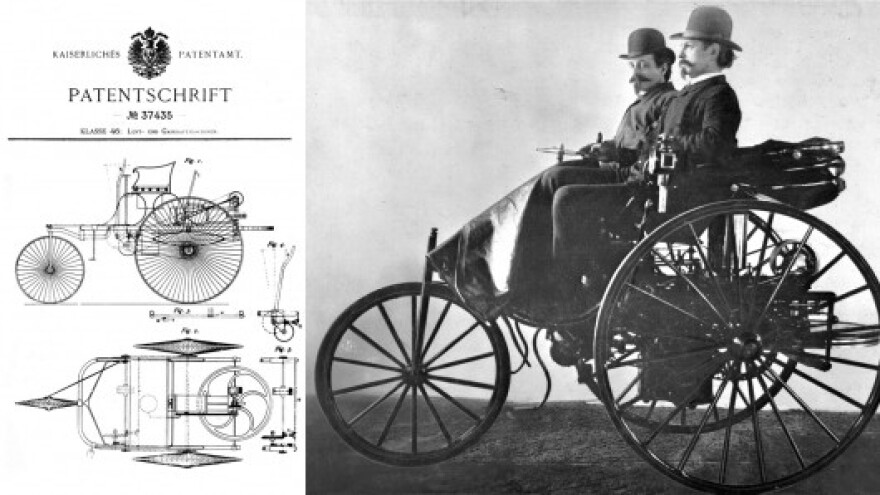
- 1886 --- The first successful petrol-driven motorcar, built by Karl Benz, was patented.
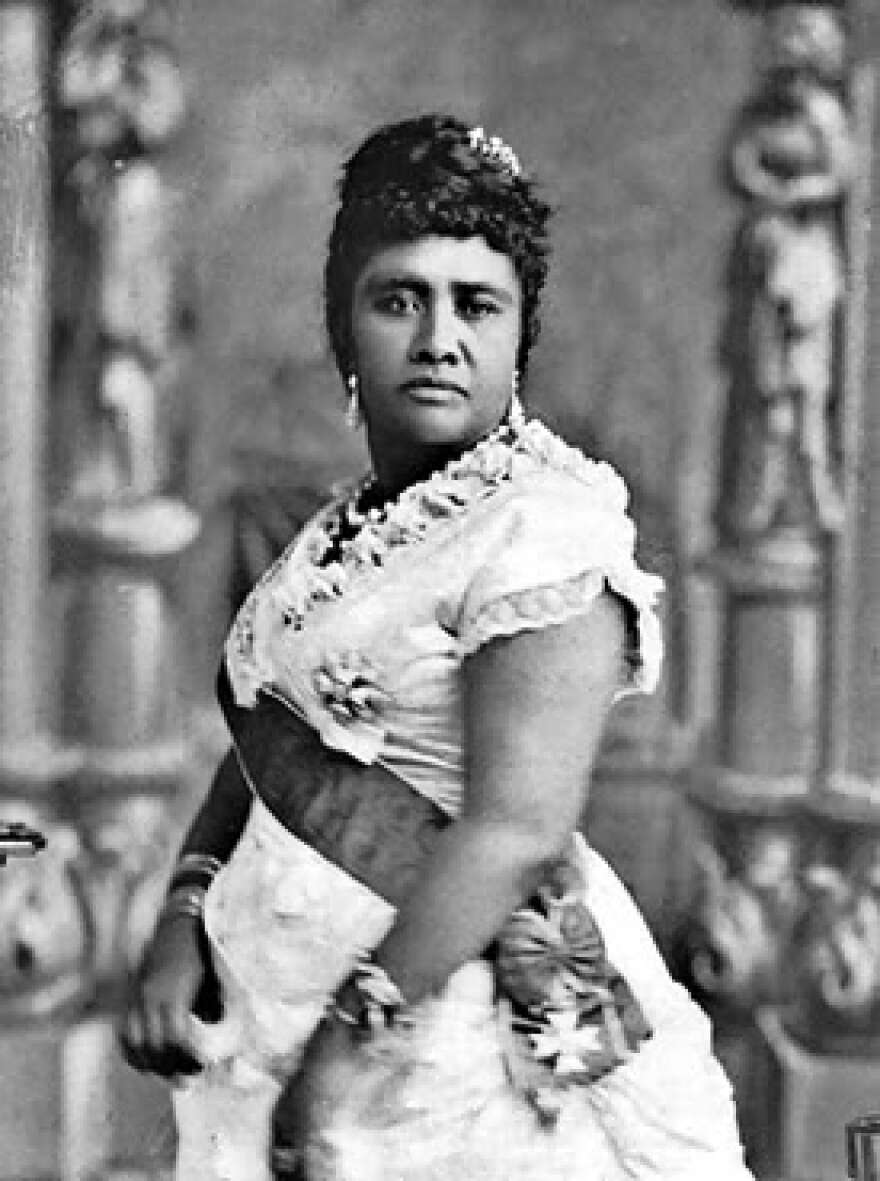
- 1891 --- Following the death of her brother, King Kalakaua, Liliuokalani becomes the last monarch of the Hawaiian Islands. Hawaii, first settled by Polynesian voyagers sometime in the eighth century, saw a massive influx of American settlers during the 19thcentury, most coming to exploit Hawaii's burgeoning sugar industry. In 1887, under pressure from U.S. investors and American sugar planters, King Kalakaua agreed to a new constitution that stripped him of much of his power. However, in 1891, Liliuokalani ascended to the throne and refused to recognize the constitution of 1887, replacing it instead with a constitution that restored the monarchy's traditional authority.


- 1900 --- The American League, consisting of eight baseball teams, was organized in Philadelphia.
- 1929 --- The Seeing Eye was incorporated -- in Nashville, TN. Its purpose was to train dogs to guide the blind. The Seeing Eye (founded in Nashville, TN) is now located in Morristown, NJ, has matched thousands of dogs with persons who are blind or visually impaired in the U.S. and Canada.
- 1936 --- Baseball Hall of Fame elects its first members in Cooperstown, New York: Ty Cobb, Babe Ruth, Honus Wagner, Christy Matthewson and Walter Johnson. In preparation for the dedication of the Hall of Fame in 1939--thought by many to be the centennial of baseball--the Baseball Writers' Association of America chose the five greatest superstars of the game as the first class to be inducted: Ty Cobb was the most productive hitter in history; Babe Ruth was both an ace pitcher and the greatest home-run hitter to play the game; Honus Wagner was a versatile star shortstop and batting champion; Christy Matthewson had more wins than any pitcher in National League history; and Walter Johnson was considered one of the most powerful pitchers to ever have taken the mound.
- 1958 --- The Boston Herald printed a letter from Olga Owens Huckins attacking the pesticide DDT as dangerous. She also wrote to her friend Rachel Carson, which prompted Carson to write 'Silent Spring.' The public outcry that followed the book’s publication forced the banning of DDT.
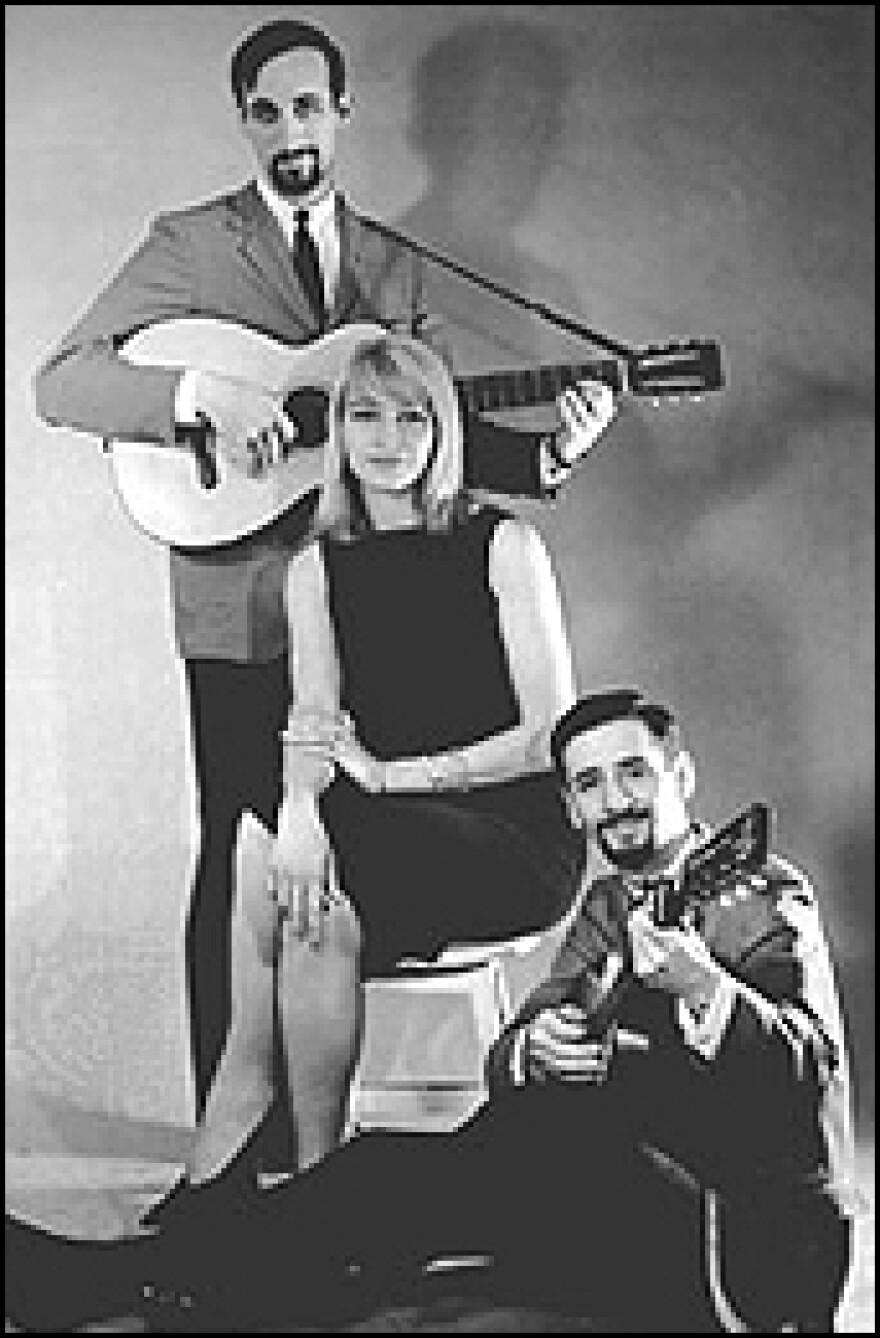
- 1962 --- Peter, Paul and Mary didn't revolutionize folk music the way Bob Dylan did. Dylan's songwriting fundamentally altered and then ultimately transcended the folk idiom itself, while Peter, Paul and Mary didn't even write their own material. They were good-looking, crowd-pleasing performers first and foremost—hand-selected and molded for success by a Greenwich Village impresario named Albert Grossman. Yet in their good-looking,crowd-pleasing way, Peter, Paul and Mary helped make Dylan's revolution possible, both by popularizing his songs and by proving the commercial potential of "serious" folk music in doing so. They took a decisive step on their path to success on January 29, 1962, when they signed their first recording contract with Warner Bros.—the label they still call home nearly half a century later.

- 1964 --- Stanley Kubrick's black comic masterpiece, Dr. Strangelove or: How I Learned to Stop Worrying and Love the Bomb opens intheaters to both critical and popular acclaim. The movie's popularity was evidence of changing attitudes toward atomic weapons and the concept of nuclear deterrence.


- 1966 --- The Bobby Fuller Four's "I Fought The Law" was released.
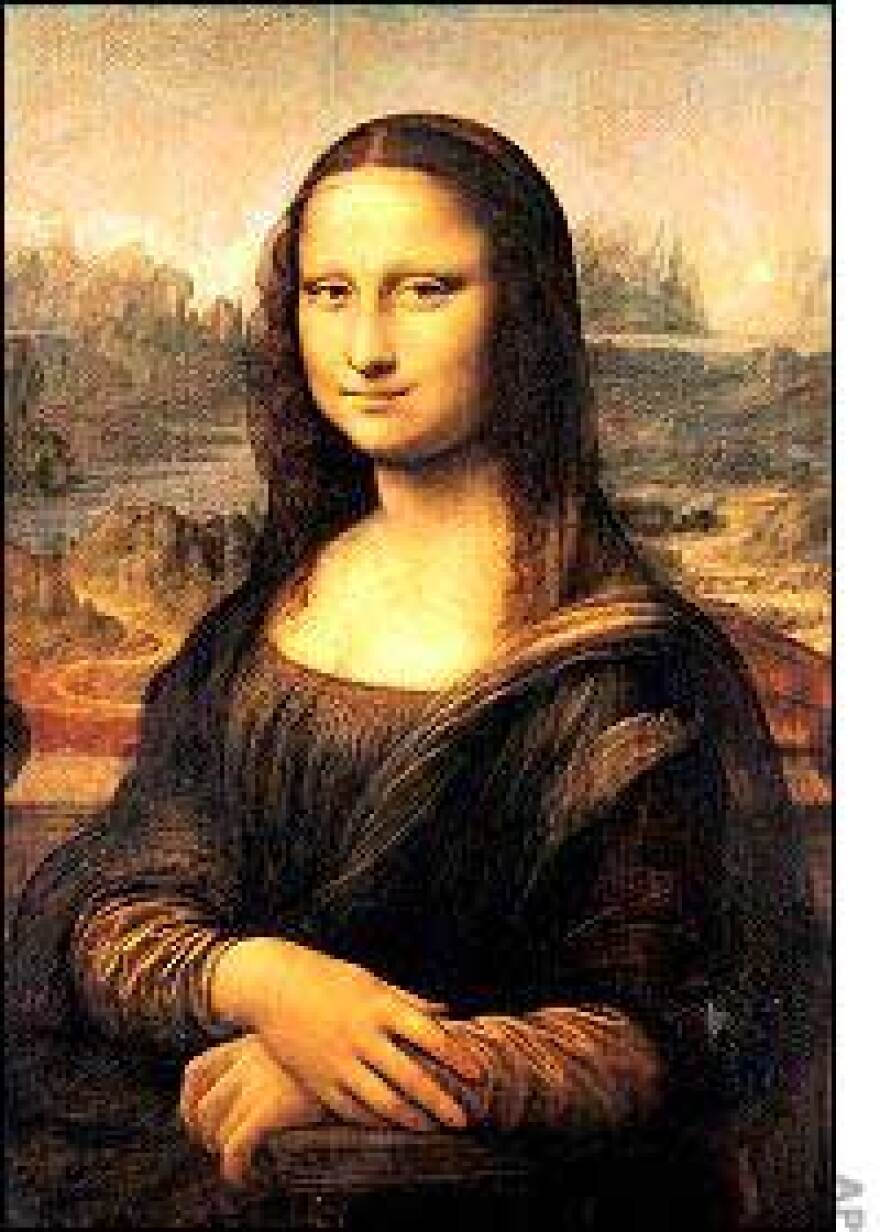
- 1987 --- "Physician’s Weekly" announced that the smile on the face of Leonardo DeVinci's Mona Lisa was caused by a "...facial paralysis resulting from a swollen nerve behind the ear."
- 1990 --- Joseph Hazelwood, the former skipper of the Exxon Valdez, went on trial in Anchorage, AK, on charges that stemmed from America's worst oil spill. Hazelwood was later acquitted of all the major charges and was convicted of a misdemeanor.

- 1995 --- At Super Bowl XXIX in Miami the 49ers defeated the San Diego Chargers 49-26. 49ers’ QB Steve Young (MVP) threw a recordsix TD passes and directed an offense that generated seven TDs, 28 first downs and 455 total yards. The 49ers were the first team to win five Super Bowls. Tickets: $200.00.


- 2004 --- A 60 ton, 56 foot long sperm whale exploded on a busy street in Tainan, Taiwan. A buildup of gas from internal decay caused the explosion. Researchers were taking the whale by truck to the National Cheng Kung University for a necropsy. The whalehad beached itself and died on January 17. No one was injured in the explosion, but blood and entrails showered cars and shops, and traffic was held up for several hours while the mess was cleaned up.


- Birthdays
- William McKinley-25th President
- Sara Gilbert
- Katherine Ross
- Tom Selleck
- Ann Jillian
- Greg Louganis
- Edward Burns
- Heather Graham
- Thomas Paine
- John D Rockefeller Jr
- W C Fields (William Claude Dukenfield)
- Paddy Chayefsky
- “Professor” Irwin Corey
- Victor Mature
- Germaine Greer
- Claudine Longet
- Oprah Winfrey